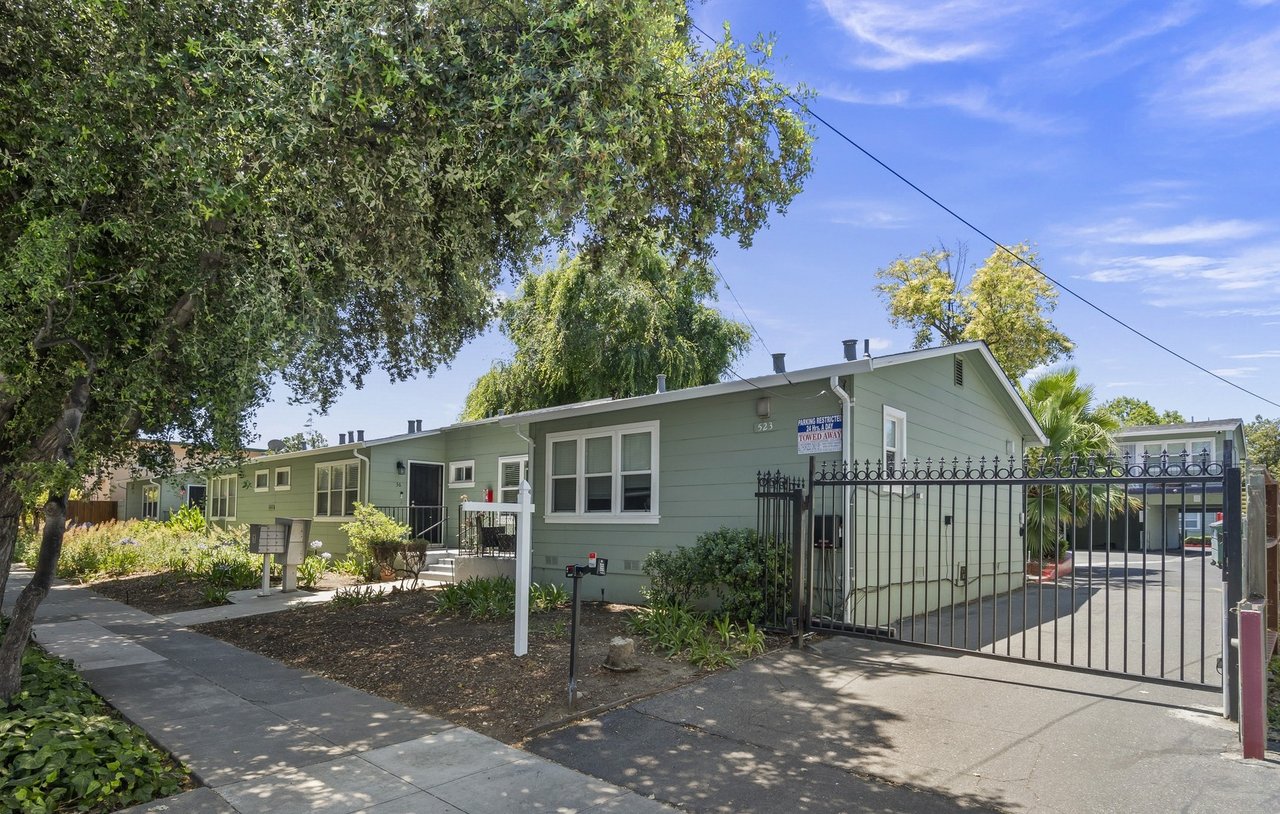
For some of our clients, their next real estate move might not be buying another apartment building. It could mean investing in a new asset type entirely.
Increasingly, we’re seeing that triple-net-leased retail makes sense for a strong, diversified portfolio.
What makes it different?
In a long-term, absolute triple-net (NNN) lease, the tenant, not the owner, covers property taxes, insurance, and maintenance. That shifts the ownership experience from active management to something closer to passive income, with a national, credit-rated tenant already in place from day one.
Why restaurant assets specifically?
Within net-lease retail, quick-service and fast-casual restaurant properties have drawn some of the strongest investor demand. Many of these locations are built by the brand itself or a preferred developer, then sold to private investors and leased back under long agreements, often 20 years, with built-in rent increases. Investors aren’t betting on a concept. Instead, they’re buying into one that is already proven and already leased.
The tax mechanics behind the shift
The math has gotten more favorable too. The restoration of 100% bonus depreciation, paired with the continued availability of 1031 exchanges, lets investors preserve capital that would otherwise go to taxes and redeploy it into these assets. Depreciation and cost segregation strategies can further offset income or capital gains, which matters most for owners who have built up significant equity over a long hold.
What it looks like in practice
We recently helped a Client sell a 24-unit multifamily property in Redwood City for roughly $9.3 million and reinvest the proceeds, through a 1031 exchange, into two newly built triple-net assets: a Chipotle in the Tampa Bay area and a Chick-fil-A in Austin. The move traded active apartment management for long-term leases with minimal landlord responsibility, while also diversifying geographically into two high-growth Sun Belt markets.
The bigger shift
Sector-wide, single-tenant net-lease retail transactions were up 9.6% year-over-year at the close of Q2 2026, according to Marcus & Millichap research. For many owners who built wealth through hands-on apartment ownership, that trend reflects a broader rethink: less time managing property, more time letting it work for you.