When a Client comes to you with an asset, how do you help them decide whether to cash out, exchange, or hold?
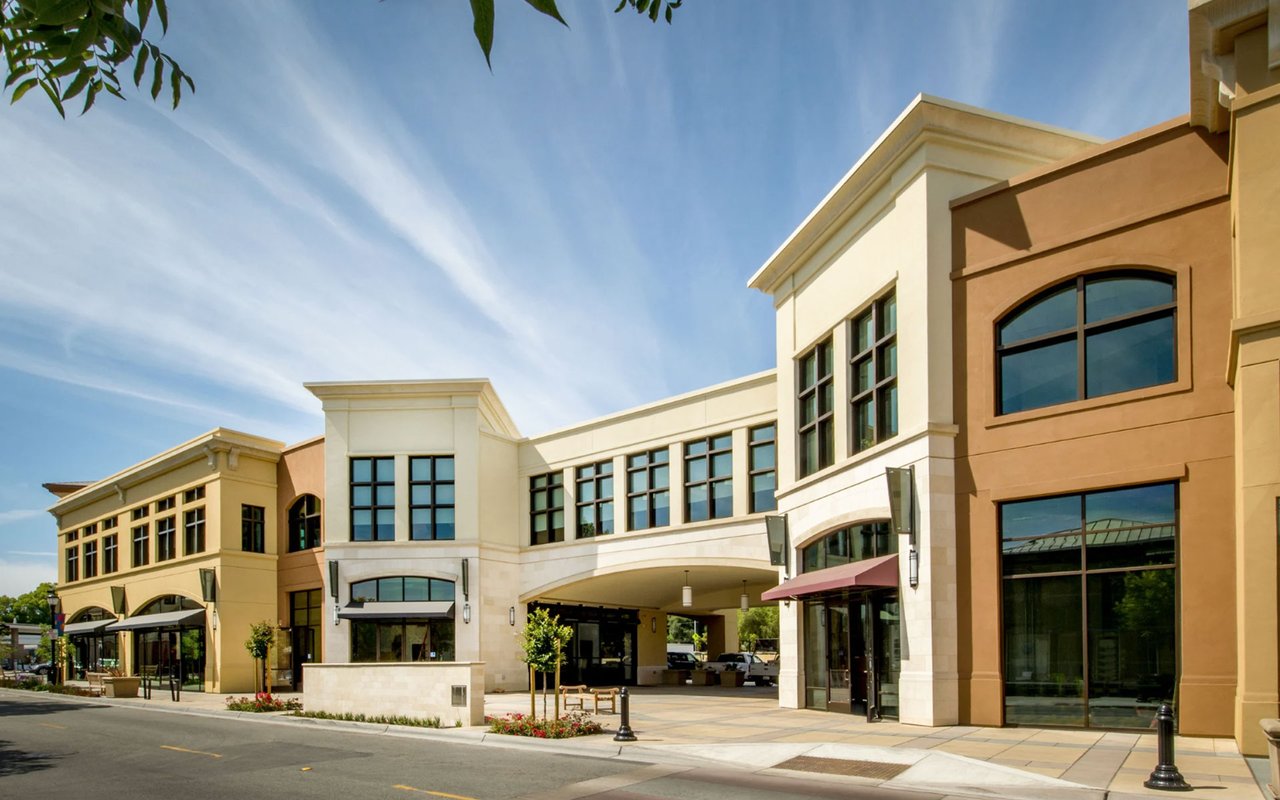
It starts with where they are in the depreciation schedule, not the market. We recently worked with an investor who had fully realized depreciation on a multifamily property in San Mateo County. At that point, holding onto the same asset type wasn't adding value anymore, so we helped them execute a 1031 exchange into a $23.685 million medical office property in Rohnert Park, anchored by Kaiser Permanente and Petaluma Health Center. That gave them durable healthcare tenancy, long-term lease commitments, and contractual rent growth, income stability they weren't going to get by simply holding onto a fully depreciated multifamily asset.
What does “knowing the submarket” actually look like in your day-to-day work?
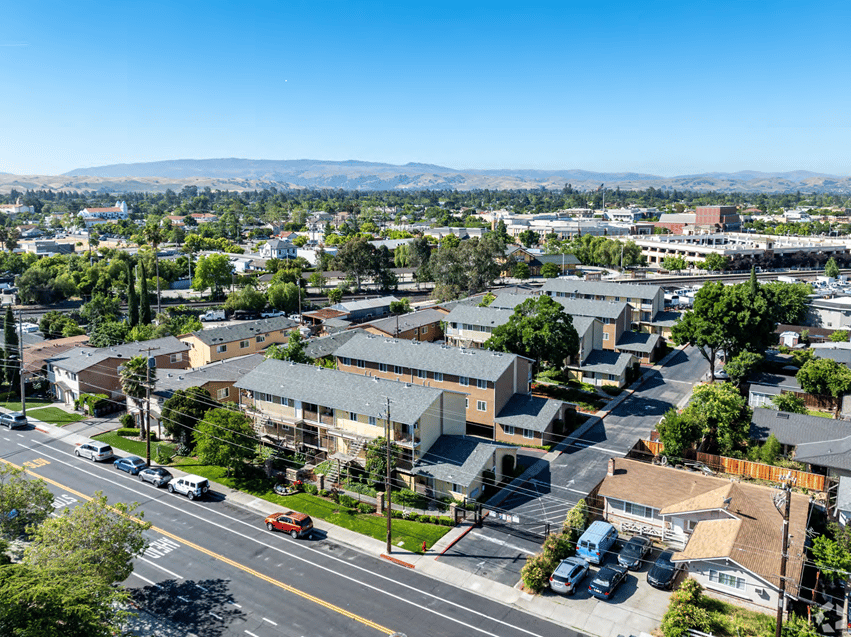
It means not trusting a metro-wide number. When we directed the acquisition of Alamo Park Apartments in Mountain View, the broader San Jose metro data was useful, but it wasn’t what closed the deal. Mountain View sits within the tightest cluster of submarkets in the region, where vacancy for older, non-luxury communities had already fallen below 2.5%. That is a meaningfully different number than the metro average, and it is the number that actually mattered for underwriting that acquisition.
How much does what’s currently on the market, or coming onto market, factor into your advice?
More than people realize. When we sold Park Plaza near Downtown San Jose, we were simultaneously marketing two adjacent multifamily communities, First Street Manor and Barcelona Apartments, less than a mile away. Knowing what else is actively competing for the same buyer pool, or what's about to come online nearby, changes how we price and time a listing. That is not something you get from a market report. That's from being in the market every day.
What demand drivers are you watching that don’t show up in a headline vacancy number?
Employment and housing costs, together. In Mountain View, the metro added 6,000 jobs in a single quarter, driven largely by AI and technology investment, and the community sits roughly a mile from the office OpenAI recently leased and about three miles from Google’s headquarters. At the same time, the median home price is approaching $2 million, putting ownership out of reach for households earning well into six figures. That combination, high-paying jobs and an unreachable homeownership market, is what creates durable rental demand. A vacancy rate alone won’t tell you that story.
When does it make more sense to hold rather than transact?
When the depreciation clock hasn’t run out and the asset is still doing its job. Not every client needs to transact just because the market is active. In some cases, the better move isn't cashing out or exchanging at all, it's refinancing to pull equity out while keeping the original asset and its remaining tax position intact. That gives a client liquidity to reinvest elsewhere without giving up a property that's still working for them. Part of our role is knowing which lever actually fits: sell, exchange, refinance, or simply hold.
Considering your next move on a Bay Area asset? Reach out to Robert Johnston and the Levin Johnston team at levinjohnston.com.