Across the Bay Area right now, plenty of multifamily owners are testing the market, and not all of them are finding a clean exit. We’re actively helping our Clients do just that, while also supporting their long-term wealth goals. An example? Levin Johnston of Marcus & Millichap’s recent $20.5 million sale of El Dorado Apartments, a 39-unit community in Belmont. Here is how it came together, piece by piece, and why each part mattered.
The asset
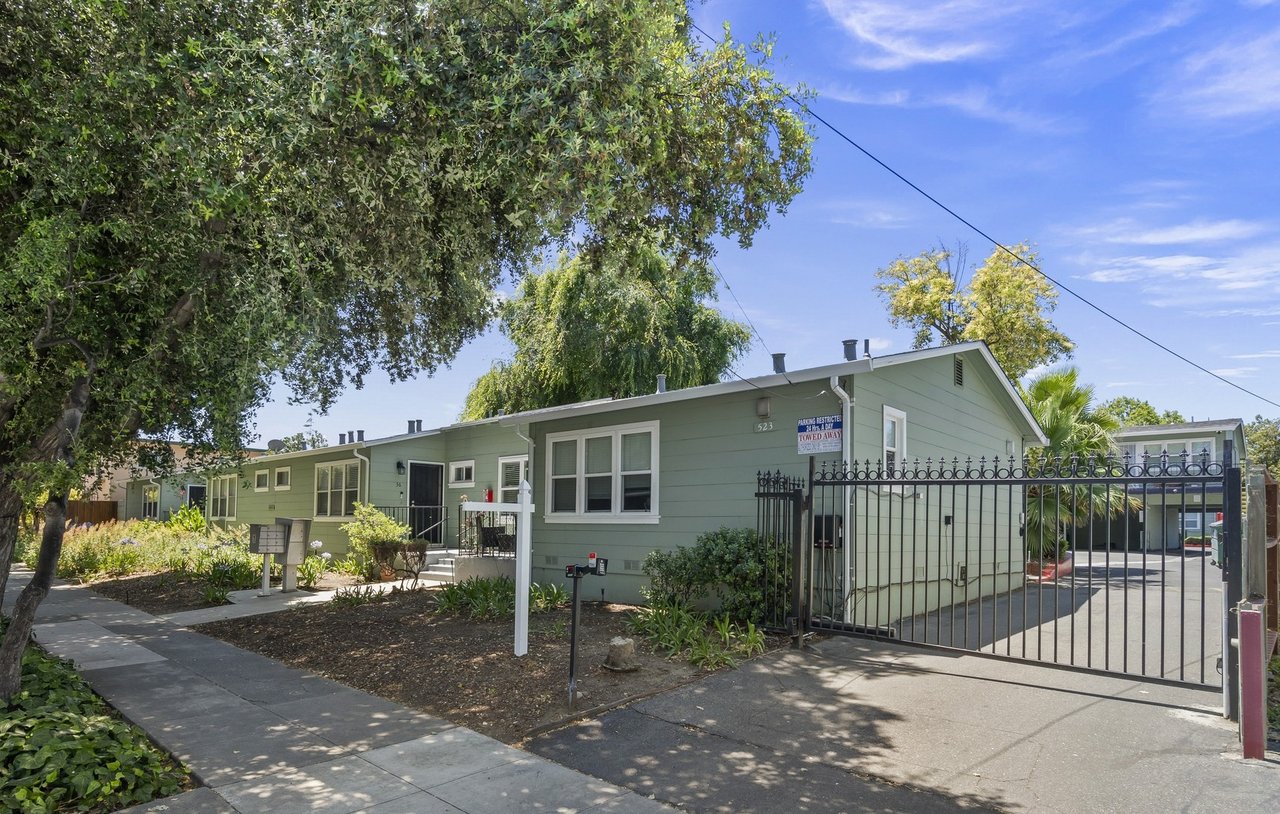
El Dorado Apartments, built in 1962 in the hills of Belmont, on San Mateo County's Peninsula. Long-term family ownership, decades of hold. Well maintained, with meaningful unit upgrades over the years, including the addition of in-unit washers and dryers, stainless steel appliances, and modern cabinetry.
The seller’s position
Depreciation was fully realized after decades of ownership. That's the moment a 1031 exchange stops being optional and starts being the obvious move: reset tax advantages, redeploy proceeds, and let the family diversify their portfolio without losing the benefit of a tax-deferred exchange.
The market dynamic that drove the price
A recent Marcus & Millichap report found Class A vacancy across the San Mateo metro trending above 10%, while Class B and C assets sit at sub-4% vacancy. El Dorado is a Class B/C asset. That bifurcation, not the headline vacancy number for the metro, is what mattered here.
The result
A per-unit price above $525,000, reflecting strong demand for well-maintained vintage housing in a submarket with limited new supply, consistent rent growth, and proximity to major employers like Oracle, Visa, and Electronic Arts.
The takeaway
Metro-level vacancy numbers don’t always tell the full story. A well-kept, older asset in the right location, at the right point in an ownership lifecycle, can outperform what the top-line data suggests. That is the diligence that turns a good hold into a well-timed exit.
Have a Bay Area multifamily asset you’re evaluating? Let's talk.